The Losses Nobody Notices
A solar system rarely fails loudly in Pakistan. Instead it fades — five percent surrendered to a film of dust, three percent to a heat-stressed connector, another few points to a string that quietly stopped producing months ago without anyone checking. Because the lights stay on and the bill still looks better than it did before solar, owners assume all is well while their investment leaks output every single day. Audits of residential rooftops routinely find systems delivering well below their rated potential for reasons that cost almost nothing to fix.
Treat what follows as a playbook: the three main enemies of solar output in Pakistani conditions, a season-by-season care calendar, and the signals inside your monitoring app that tell you when to act. None of it requires technical training — only the habit of paying attention.
Enemy One: Dust, Smog and Bird Traffic
Airborne dust is the single largest controllable loss on rooftops across the country. In dry months, a fortnight without rain leaves a visible film that scatters incoming light before it ever reaches the cells; layer winter smog over the central Punjab belt and the soiling penalty grows heavier still. Homes near construction sites, brick kilns, unpaved streets or grain markets accumulate deposits even faster than average. Owners of solar panels in Rawalpindi watch this happen every June, when a single pre-monsoon dust storm can undo a fresh cleaning in one evening.
The remedy is unglamorous: gentle washing with plain water and a soft brush or sponge, done early in the morning while the glass is still cool. Never spray cold water onto scorching panels — thermal shock can crack the glass — and never use detergents, wire brushes or high-pressure jets, which damage the anti-reflective coating. Bird droppings deserve immediate attention, because one opaque patch can drag down an entire string through the panel’s series wiring.
Is cleaning worth the effort in money terms? Run the numbers once and the question answers itself. If soiling is costing a typical household system even a modest share of its generation through the high-tariff summer months, the recovered units from a simple fortnightly wash repay the fifteen minutes of labour many times over. Few chores in domestic life carry a better hourly rate.
Enemy Two: Heat, the Counter-Intuitive Thief
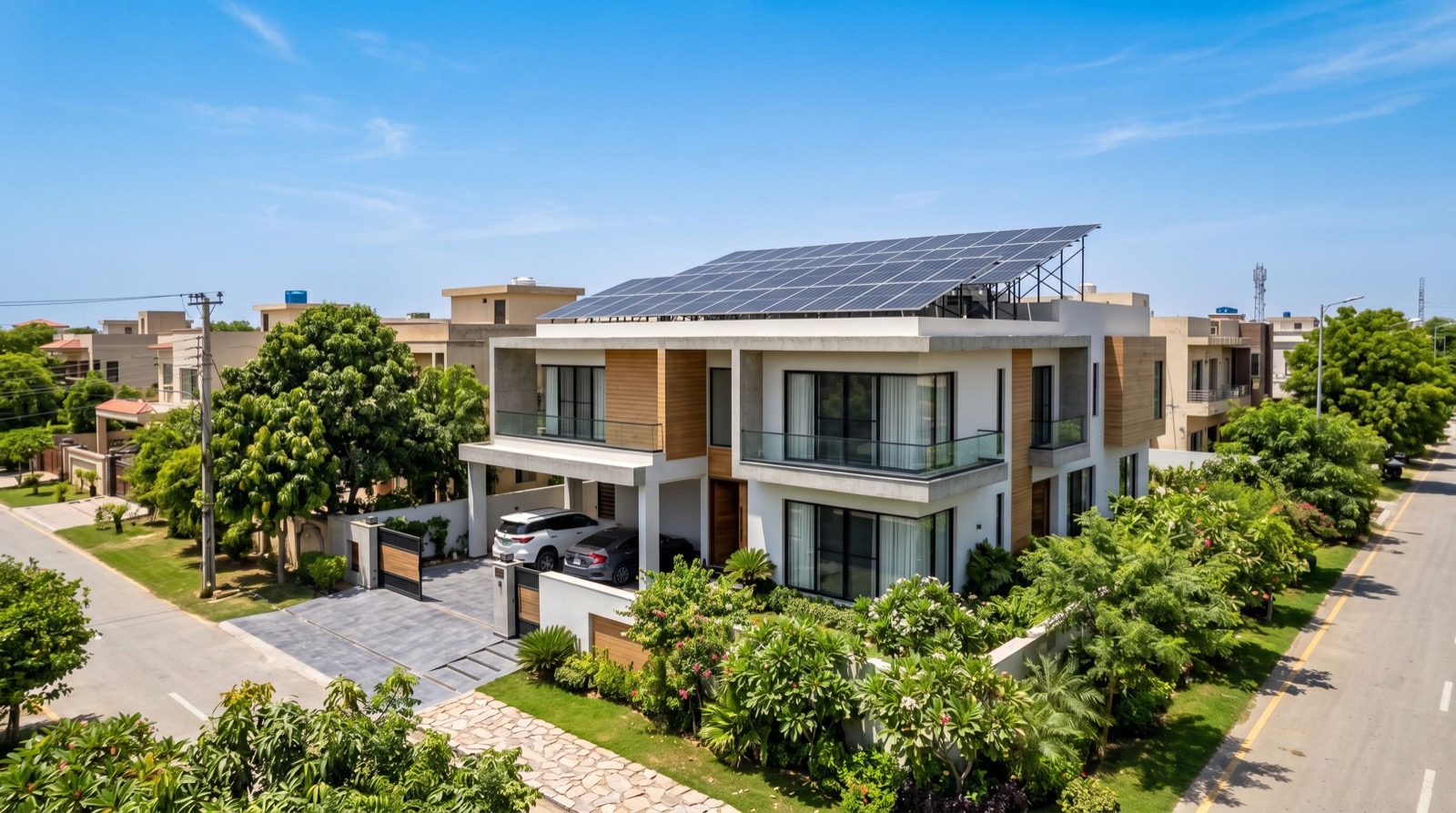
Panels love light but hate heat. Every degree above the standard test temperature of 25°C shaves a fraction of a percent off output, which is why a blazing 45°C June afternoon frequently produces less power than a crisp, bright day in February. You cannot air-condition your roof, but you can respect the physics at installation time: modules mounted with a generous air gap beneath them run cooler than modules laid nearly flat against a concrete slab, and cooler modules both produce more today and degrade more slowly over the decades.
Inverters suffer in the heat as well. A unit boxed into a sealed cupboard or hung on a west-facing wall in full afternoon sun will derate — deliberately trimming its own output to survive. Moving an inverter to a shaded, ventilated location is among the cheapest performance upgrades available anywhere in the system.
Enemy Three: Hardware That Loosens, Chafes and Corrodes
Wind works on mounting bolts season after season. Cable ties turn brittle under ultraviolet exposure and snap, leaving conductors to swing and chafe against sharp edges. Rodents chew insulation in roof cavities. Connectors crimped hastily on installation day develop resistance, heat up, and in the worst cases become fire hazards. None of this announces itself; all of it surfaces either as a slow decline in output or, eventually, as a fault code on a morning when you least expect one.
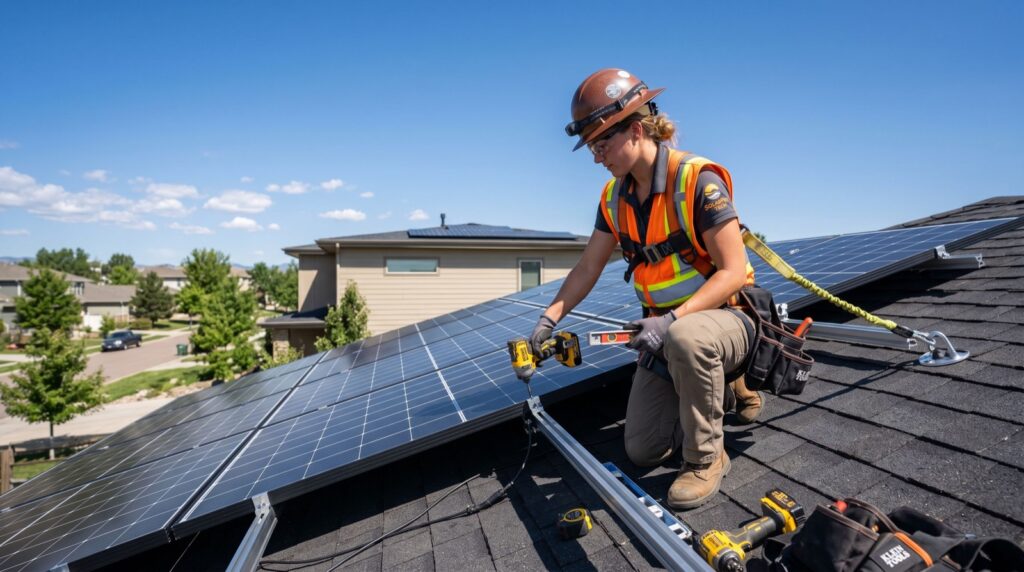
A proper annual check covers exactly these weak points: torque on structural fasteners, insulation condition along every cable run, thermal scanning of connectors and combiner points, and verification of earthing continuity. It takes a competent technician a couple of hours and prevents the two failure modes — fire and silent underproduction — that cost owners the most.
A Season-by-Season Care Calendar
- Before summer (March–April): full wash, inverter fan and ventilation check, and confirmation that mounting bolts are tight ahead of storm season.
- Pre-monsoon (June): inspect roof drainage around mounting feet, re-secure loose cabling, and clear debris that could dam rainwater against the structure.
- During monsoon: let the rain assist with cleaning, but walk the roof after every major storm to look for shifted modules or water ingress at junction boxes.
- Post-monsoon (September): another thorough wash to remove mud spotting, plus a check for corrosion on frames and earthing points.
- Winter (December–January): in smog-affected cities, increase cleaning frequency; the haze deposits a greasy film that plain rain will not rinse away.
Your Monitoring App Is a Medical Chart
Most modern inverters ship with a phone app that owners open twice and then forget. Build a habit around one number instead: total generation on a clear day, compared month against month. During your system’s first year, write down what a cloudless day produces in each season — that record becomes your personal baseline. A clear-sky day landing fifteen percent below the baseline for its season is your cue to hunt for soiling, new shading from construction or vegetation, or a string fault.
Glance at string-level or MPPT-level readings too, if your app exposes them. Two strings of equal size should post nearly identical figures; a persistent gap between them points to a problem on one side that deserves investigation rather than a shrug. Five minutes with the app each Sunday is enough — the goal is a habit light enough to keep, not a hobby.
Know When It Stops Being a DIY Job
Washing glass and reading an app are owner tasks. Opening DC combiner boxes, re-crimping connectors, measuring earthing resistance and diagnosing inverter faults are not — rooftop DC circuits carry enough voltage to injure, and warranty terms frequently require professional service records. An annual professional visit is cheap insurance; firms servicing solar panels in Faisalabad, where textile-belt dust and fierce summers punish equipment especially hard, commonly offer yearly contracts bundling cleaning, torque checks and thermal scans into one visit.
Pick that service partner with the same care you applied to the original installation. For a refresher on separating serious firms from seasonal opportunists, this piece on quality service providers lays out sensible selection criteria. A well-kept system will hand you twenty-five years of quiet savings; a neglected one will spend those same years quietly stealing them back.