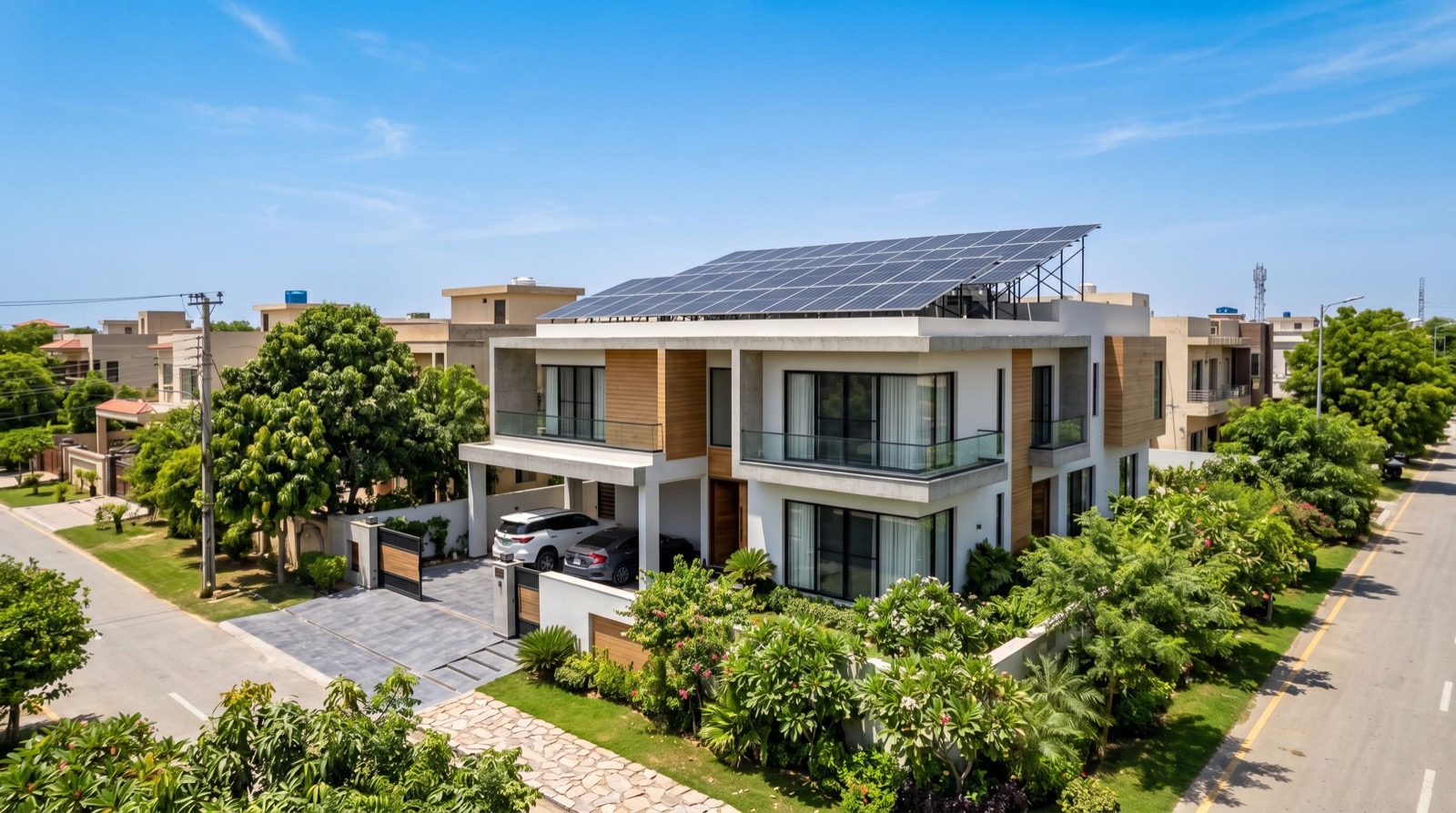
Walk into any electronics market in Lahore or Karachi today and the sheer choice of panels, inverters, batteries, and mounting kits can overwhelm a first-time buyer. Getting the shopping list right matters, because the wrong component quietly bleeds performance for two decades. This buyer’s guide to solar products in Pakistan cuts through the noise so you spend once and spend well in 2026.
Rather than repeat generic “go solar” advice, we break the system down component by component — what each part actually does, which specs to check, and where buyers most often overpay or under-spec. By the end you will be able to read a quotation line by line and know exactly what you are paying for and why.
The five core solar products every system needs
A complete setup is really five families of products working together. Skimp on any one and the whole system underperforms, so treat them as a matched set rather than isolated purchases.
Quality brands of solar products in Pakistan are now widely available with proper documentation and warranty cards, which was not the case a few years ago. The trick is knowing which specification on each product actually predicts real-world results.
- Solar panels — the generators; look at wattage, efficiency, and the temperature coefficient.
- Inverter — the brain; choose hybrid or grid-tie based on whether you need backup.
- Battery — the store; lithium (LiFePO4) now dominates for depth of discharge and lifespan.
- Mounting structure — the skeleton; galvanised or aluminium rails rated for local wind loads.
- Balance of system — cables, breakers, DC fuses, and surge protection that keep it all safe.
How to read a solar panel spec sheet
Panels look identical, but their datasheets tell very different stories. Two numbers deserve most of your attention before you compare price.
What panel spec actually predicts summer performance?
The temperature coefficient is the quiet hero. Pakistani rooftops routinely exceed 55°C, and a panel that loses less output per degree above 25°C will simply generate more units through the long, hot months. Pair that with module efficiency to judge how much power you squeeze from limited roof space.
| Panel spec | Why it matters | Good 2026 value |
|---|---|---|
| Wattage | Raw output per module | 580–620 W bifacial |
| Efficiency | Power per square metre | 21–22.5% |
| Temp. coefficient | Loss in heat | -0.29% / °C or better |
| Product warranty | Defect cover | 12–15 years |
| Performance warranty | Output guarantee | 25 yrs @ 87%+ |
Choosing the right inverter and knowing the price
The inverter dictates whether you get outage backup, how much surge your appliances can draw, and how efficiently DC becomes usable AC. Hybrid inverters cost more but let you add batteries and ride through load-shedding.
Prices vary widely by brand, size, and MPPT count, so always compare like for like. If you are budgeting, this breakdown of the current solar inverter price in Pakistan helps you sanity-check any quotation before you commit. As a rule, spend on a reputable hybrid inverter first, because it is the component most likely to fail if you cut corners.
- Decide grid-tie only or hybrid with backup.
- Match continuous kW rating to your peak load, plus 20% headroom.
- Check surge rating for motors, pumps, and air conditioners.
- Confirm the number of MPPTs suits your roof’s orientations.
- Verify local after-sales support and warranty length.
Batteries: the product buyers get most wrong
Battery choice trips up more buyers than any other product. Cheap lead-acid banks look affordable but die within a few years of deep cycling, while lithium (LiFePO4) lasts far longer and tolerates daily deep discharge.
For most homes in 2026 the maths favours lithium despite the higher upfront cost. A LiFePO4 bank routinely delivers 6,000+ cycles versus a few hundred usable cycles from tubular lead-acid, so the cost per usable kWh over its life is dramatically lower. Size the bank to your essential loads — lights, fans, router, refrigerator — not your entire house.
Mounting and balance-of-system: the products buyers forget
The glamour products get the attention, yet mounting rails, cables, breakers, and surge protection quietly decide whether your system survives a decade of monsoon and heat. These “balance of system” items are where corner-cutting causes the most avoidable failures.
Cheap unrated cabling overheats and loses power to resistance, while flimsy mounting flexes in high wind and stresses the panel frames. Always insist on galvanised or aluminium structures rated for your area’s wind load, correctly sized DC cable, and proper DC breakers with surge protection. In coastal cities like Karachi, corrosion resistance matters even more, so marine-grade fixings are worth the small premium.
- Mounting rails — aluminium or hot-dip galvanised, wind-load rated for your city.
- DC cabling — correctly sized to minimise resistive loss and heat.
- Protection — DC breakers, fuses, and surge arrestors on both DC and AC sides.
- Earthing — a proper ground and lightning protection for rooftop safety.
Where authoritative rules and standards come in
Buying products is only half the job; connecting them legally is the other half. Net metering lets you export surplus generation, and the framework is nationally regulated.
You can read the current net-metering regulations directly from the regulator at NEPRA, which publishes the 2026 rules and tariffs. Buying products that carry the right certifications and a compliant grid-tie inverter keeps your net-metering application smooth. When you finally shortlist a supplier, favour quality service providers who stock genuine, warrantied stock rather than grey-market imports.
Frequently Asked Questions
Which solar products should I never cut costs on?
Never skimp on the inverter and battery. These carry the electrical stress and cycle daily, so a cheap unit fails soonest. Panels and mounting can be mid-range as long as they are certified and properly warrantied.
Are lithium batteries worth the extra money in Pakistan?
For daily-cycling backup, yes. LiFePO4 lasts several times longer than lead-acid and tolerates deep discharge, so its cost per usable kWh over ten years is far lower despite the higher sticker price.
How do I verify a solar product is genuine?
Check the serial number against the manufacturer’s portal, insist on original warranty cards, and buy from a supplier with a physical showroom and traceable stock rather than an unbranded market import.
Do I need matching brands for panels, inverter, and battery?
Not necessarily, but compatibility matters. A hybrid inverter must support your battery’s voltage and communication protocol, so let one supplier specify the full matched set to avoid integration headaches.
Conclusion
Smart buyers treat solar products in Pakistan as a matched system in 2026, not a random shopping list — reading spec sheets, prioritising the inverter and lithium battery, and confirming certifications before they pay. Check the temperature coefficient on panels, compare inverter prices like for like, and size the battery to your essential loads. Do that, and every rupee buys real, warrantied output for decades. Ready to build your list? Browse a certified product range and request a tailored quotation today.